
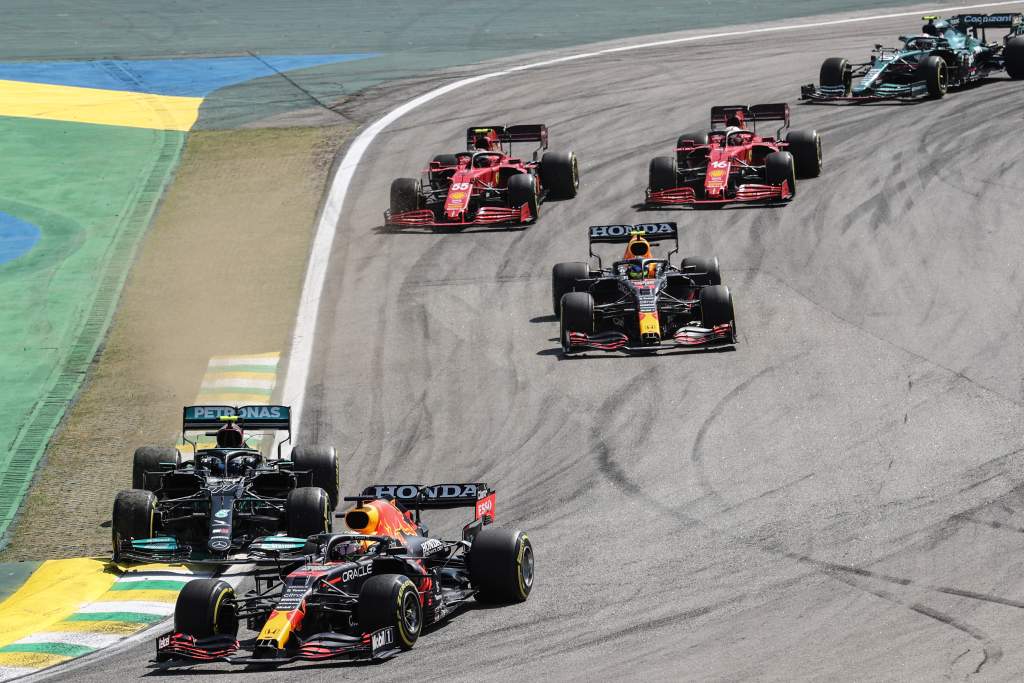
Every Formula One team has had to navigate the delicate balancing act between 2021 and 2022 vehicle development over the past year, but none have faced a more difficult challenge than Red Bull and Mercedes.
Their championship fight raged until the controversial final lap of the final race in Abu Dhabi.
So could the intensity of this battle cost them when it comes to this year’s all-new cars?
Mercedes and Red Bull are well run teams so it would be foolish to imagine either of them focusing on developing 2021 and ruling out the 22er project entirely.
But with the cost cap and restrictions on aerodynamic testing, the trade-offs between ’21 and ’22 will have been brutal – especially for F1’s two biggest operations.
Mercedes unveiled its latest major upgrade at the 10th race of 2021 at Silverstone in July. Red Bull continued to feed race updates through to the 21st race in Qatar in November – although the last significant upgrade for the 15th race in Russia came at the end of September. But that doesn’t necessarily mean it took more resources to develop.
After all, Mercedes had to push hard early in the season to mitigate the effects of the aerodynamic rule changes that hurt its low-rake concept. It is therefore more likely that Mercedes had to shift some resources back to 2021 at this stage of the season.
But as technical director Mike Elliott said at the end of last season, Mercedes has been disciplined in allocating its resources. This was particularly the case as the team found that there was a limit to the car’s further performance, particularly after it introduced its Silverstone upgrade.
“The gains that you could make this year have been relatively small, but the gains for the ’22 car are pretty big,” Elliott said in November. “So you wouldn’t put all your eggs in this year’s basket.
“We had a plan in mind. We sat down with the lead engineers, looked each other in the eyes and said, “What do we think is the right time, knowing what we do, to stop?” We drew a line in the sand and stuck to it.”
Red Bull technical director Pierre Wache argued late last year that the trade-off between 22 design and 21 development was not great.
“The last development was in Sochi, with manufacturing lead times that were a July development,” Wache said. “So not a massive compromise.
“You trade not only development time, but also manufacturing time because you want to have a lot of spares and parts for the new car. At some point you have to stop.
“But we have a very good production facility and that gives us a lot of freedom in terms of longer development. I think our release dates for parts may be later than some others.”
The point about manufacturing freedom also applies to Mercedes and underlines that time and schedule are not the same for all teams.
Mercedes and Red Bull have not been at the top because of their funding – although that is a requirement for success in Formula 1 – but because they are excellent teams with highly skilled staff, great facilities, excellent ways of working and a culture of success.
Basically, it’s not just about “more”, but also about “better”. Even in a cost-constrained F1 where you can no longer use brute force to outdo your rivals, the latter still holds true.
This is particularly important when it comes to aerodynamic test regulations (ATR). These restrictions, where wind tunnel runs and CFD objects are allocated based on positions in the constructors’ championship, with the leading teams having the fewest, came into effect last year and mean Red Bull and Mercedes had less than everyone else.
Red Bull and Mercedes had the same amount throughout 2021 as Red Bull were leading the Constructors’ Championship halfway through the season when the ATR was reset, meaning they each had six months of minimum allocation.
The 2022 car will be the first designed by Red Bull and Mercedes under these conditions. But it’s important to note that the performance gains seen aren’t just a function of wind tunnel time and CFD elements – it’s also how efficiently they’re used. The restrictions hurt Red Bull and Mercedes more than the other, but the ATR is subtle enough not to mean they’re thrown into F1’s midfield for lack of development.
The difference in aerodynamic testing constraints is widening this year, with a 5% increase between teams. That means Mercedes has 70% of the maximum and Red Bull has 75%. So if either or both are slow to start the season, they’ll also be limited in terms of aerodynamic testing as they try to recover – until allocations reset in early July.
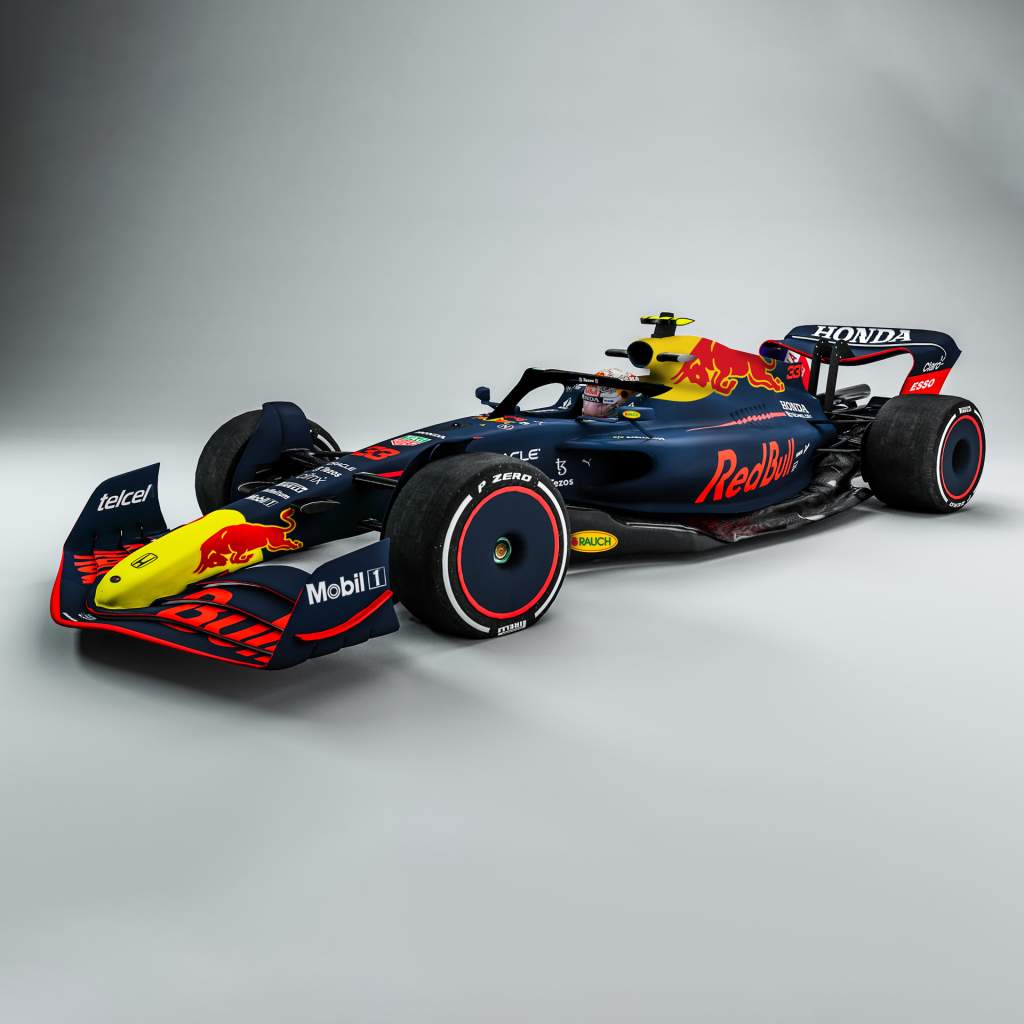
With the 2022 cars being an all-paper design with very limited parts carryover, and given the return of ground-effect venturi tunnels requiring a very different philosophy on each side of the car, this is a major test of Red Bull and Mercedes’ abilities and has theirs Added an additional layer of complication to balancing acts in development.
We won’t get a sense of how Mercedes and Red Bull really compare to each other until pre-season testing begins at the end of February. It would be a surprise if next year’s leading teams struggled poorly.
Perhaps more realistically, the gap between them and the rest will close. In fact, FIA and F1 are confident that the field will be less diversified this year due to the different technical and financial regulations.
Red Bull team boss Christian Horner regularly dismissed concerns that the 2021 title fight had in any way affected the development of 2022 last year.
“We all know that 2022 will see major regulatory changes and we have deployed our resources accordingly,” Horner said in Abu Dhabi last month.
“Obviously that put pressure on the organisation, but this is where the team excelled as it took a tremendous effort to keep a new set of rules developing at the pace and focus on this year’s car.
“But we won’t see who’s right and who’s wrong until we come back in a few months.”
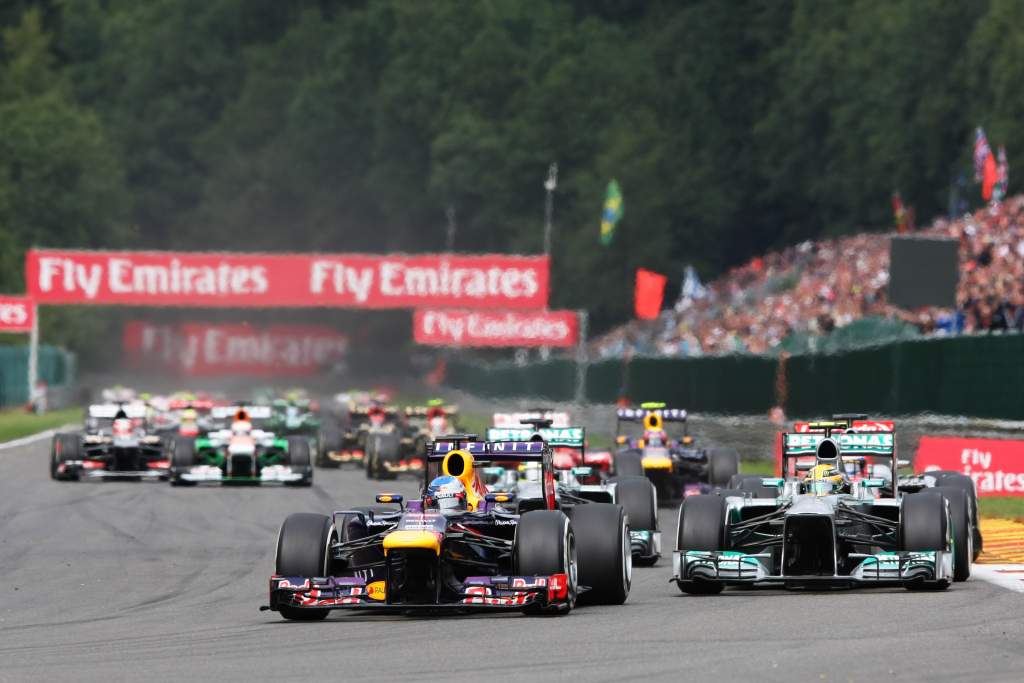
There is an interesting historical parallel here, as the Mercedes team felt that Red Bull was developing their 2013 car later than necessary.
While this resulted in Red Bull winning the last nine races, Mercedes felt Red Bull neglected this in 2014. And while Red Bull’s struggles against a dominant Mercedes in 2014 were largely based on engine performance, it’s still a cautionary tale.
There are also historical examples of new rules leading to new innovations that teams may overlook.
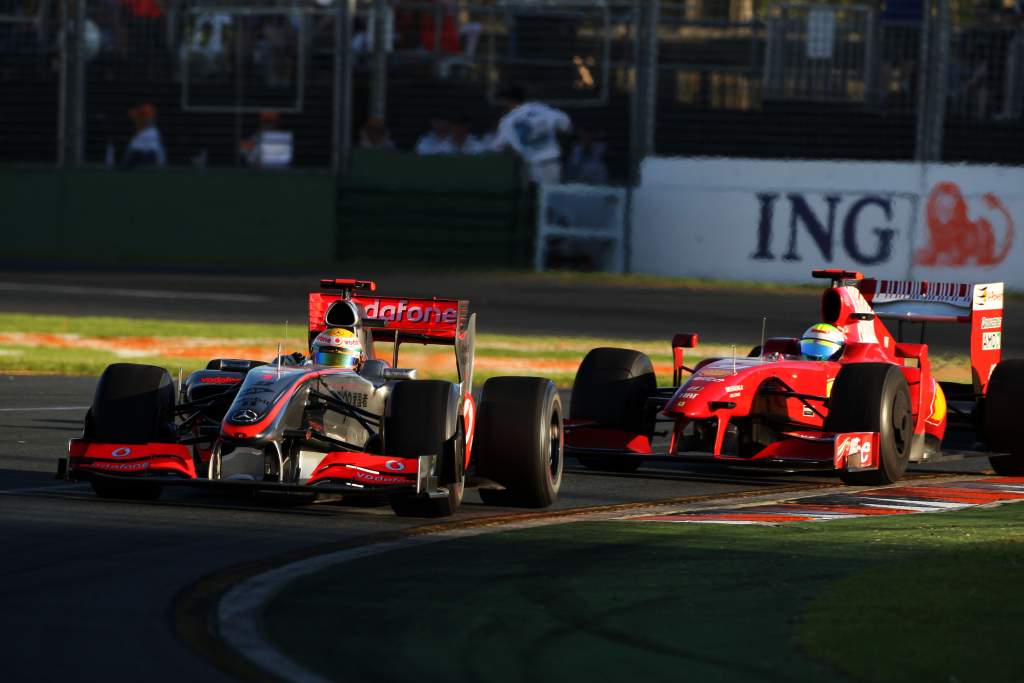
In 2009, for example, McLaren and Ferrari, who had been fighting for the title the previous year, slipped down due to the lack of scope for the double diffuser design, among other things.
Mercedes tried to find the same balance as Red Bull. But in December team boss Toto Wolff hinted that it would be closer to the top in 2022 due to the various rule changes.
“The regulations have changed, we all work under the same financial ceiling and the concepts are very new. Then there are the aerodynamic regulations, where the teams had a little more leeway because of their position in the championship,” said Wolff.
“It is therefore possible that teams that did not compete for the world championship this year, whether Ferrari, McLaren, Aston Martin or Alpine, are able to come up with intelligent concepts based on many more runs than any other and just do it right .
“We have to expect much closer fights for championships and races than before. And that is exciting.”
But of course there is a good reason why Red Bull and Mercedes have split the F1 championships between themselves for the last 12 years.
Whether the vastly different circumstances of the past two years will result in one or both actually suffering a 2021 hangover remains to be seen. But it is clear that the conditions for Mercedes and Red Bull are more difficult than ever. Both teams face a perfect storm from last year’s title fight, new regulations, cost cap and aerodynamic testing limitations, meaning the challenge is very different from what it used to be.
And with Ferrari itself at the top, fighting for the championship in 2017 and 18 potentially a major threat, it’s no given that last year’s F1 standout teams will remain at the top this year – even if they did would be risky to bet against them being there.
That makes 2022 one of the most eagerly awaited F1 seasons in a long time.





