
FORMULA ONE is a stronghold of technology and innovation in the pursuit of fast laps and reliability. In the past, safety took a back seat to these priorities, but today the sport’s governing body, the FIA, sets rules that ensure car safety is paramount.
All F1 cars must undergo crash tests before being approved for use, and the rulebook is designed to reduce the risk of injury to drivers and spectators alike.
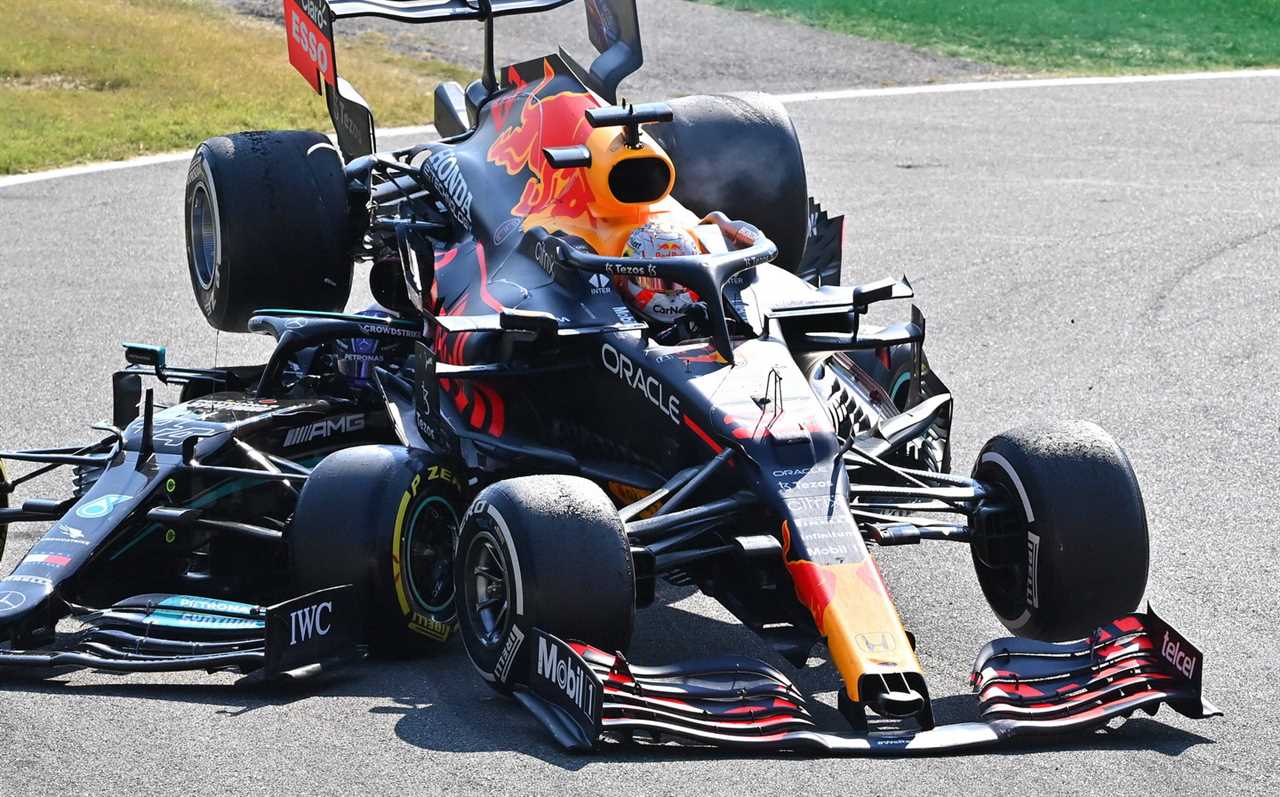
A new and very visible addition to improving car safety is the Halo, a tubular frame that surrounds the car’s cockpit and that saved Lewis Hamilton’s life at the 2021 Italian Grand Prix after a collision with championship rival Max Verstappen (see below).
Here we explain the technology behind the Halo, its history, and the benefits it brings.
What’s the halo in F1?
The halo is a protective barrier that prevents large objects and debris from entering the cockpit of a single-seat racing car. There are specific rules for its construction and the device is manufactured by three approved companies for the F1 teams to then incorporate into their racing cars.
The F1-Spec Halo is made from strong, lightweight titanium tubes that are then attached to the car’s carbon fiber chassis at three points for maximum rigidity. The system increases the weight of the car by around 9 kg.
When was the halo introduced in Formula 1?
The Halo was introduced in Formula 1 in 2018 when it also became mandatory in other FIA-approved open cockpit classes such as Formula E, F2, F3 and F4. It is also used by other single-seater series around the world, such as the US IndyCar series (where they also add a clear Perspex windshield), the Japanese Super Formula series and the S5000 in Australia.
Why was the Halo introduced in F1?
Halo was introduced to improve driver safety by preventing large objects from getting into the cockpit of the car. While helmets are effective in preventing head injuries in most incidents, some high profile accidents involving larger objects have shown that more could be done to reduce the risk of serious injury in the event of an accident.
Is the F1 Halo blocking the view?
The titanium construction means that the halo’s rods are relatively thin. The crossbar is at a height that means it is out of the driver’s peripheral vision when wearing a helmet, while the central vertical pillar in the periphery “disappears” when the driver is looking forward – much like your nose does not is visible. read that again.

Why is the halo controversial?
Some people dislike the look of the halo, saying that it spoils the “purity” of a single-seat, open-cockpit racing car. Others believe the halo can get in the way if a driver needs to get out of the car quickly, but in practice this has not proven to be a problem.
When did the Halo cockpit system work?
A study by the FIA of data from 40 real-life incidents found that a driver’s chance of survival increased by 17% when a halo was used. Most recently, drivers Lewis Hamilton and Max Verstappen collided at the 2021 Italian Grand Prix, and Verstappen’s Red Bull stopped with a rear wheel on the halo of Hamilton’s Mercedes just above his helmet. After the incident, Hamilton stated that the Halo “saved my neck”.
It’s days like today, I’m reminded of how lucky I am. It takes a millisecond to go from running to a very scary situation. Today someone must have looked down and taken care of me! #TeamLH: I’m so grateful for each and every one of you, you really are the best. Still we rise! pic.twitter.com/H2sGtXPKrr
– Lewis Hamilton (@LewisHamilton) September 12, 2021
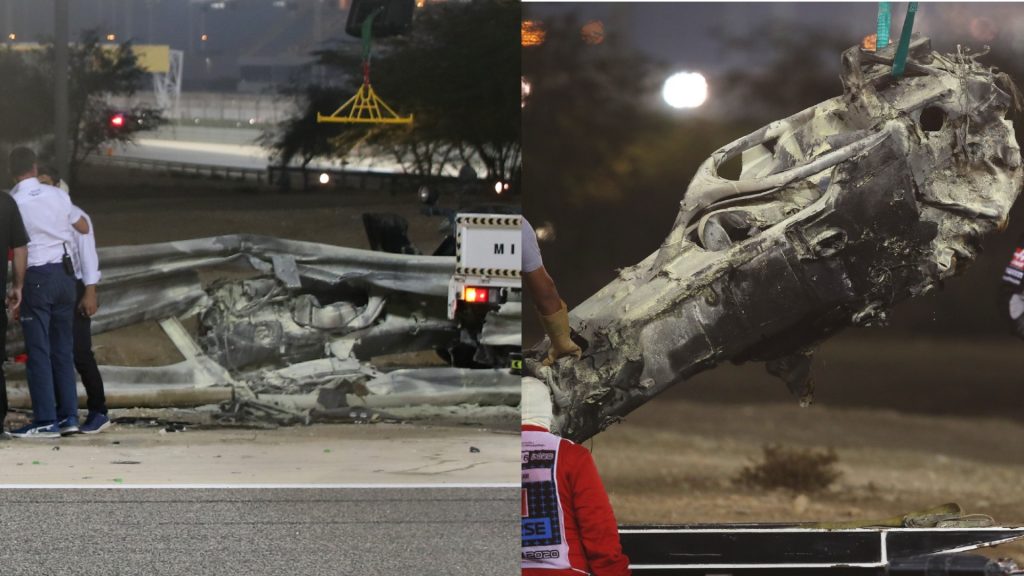
At the end of the 2020 season, Romain Grosjean survived a major accident at the Bahrain GP in which his Haas crashed through an Armco barrier. The halo showed signs of damage from the barrier that would otherwise have been inflicted on Grosjean’s helmet and it was sure to save his life.
How do F1 drivers feel about the Halo?
When the Halo first launched in 2018, there was criticism from drivers about its ugly appearance and its potential to restrict vision. But that criticism has subsided, and those involved in accidents where the Halo did its job are singing its praises.
Mercedes F1 team boss Toto Wolff is someone who is convinced of its safety advantages after initially not liking the system.
Tweet on @Shane_O_D Follow @Shane_O_D
The post What it is, when it was introduced and why first appeared on monter-une-startup.




