
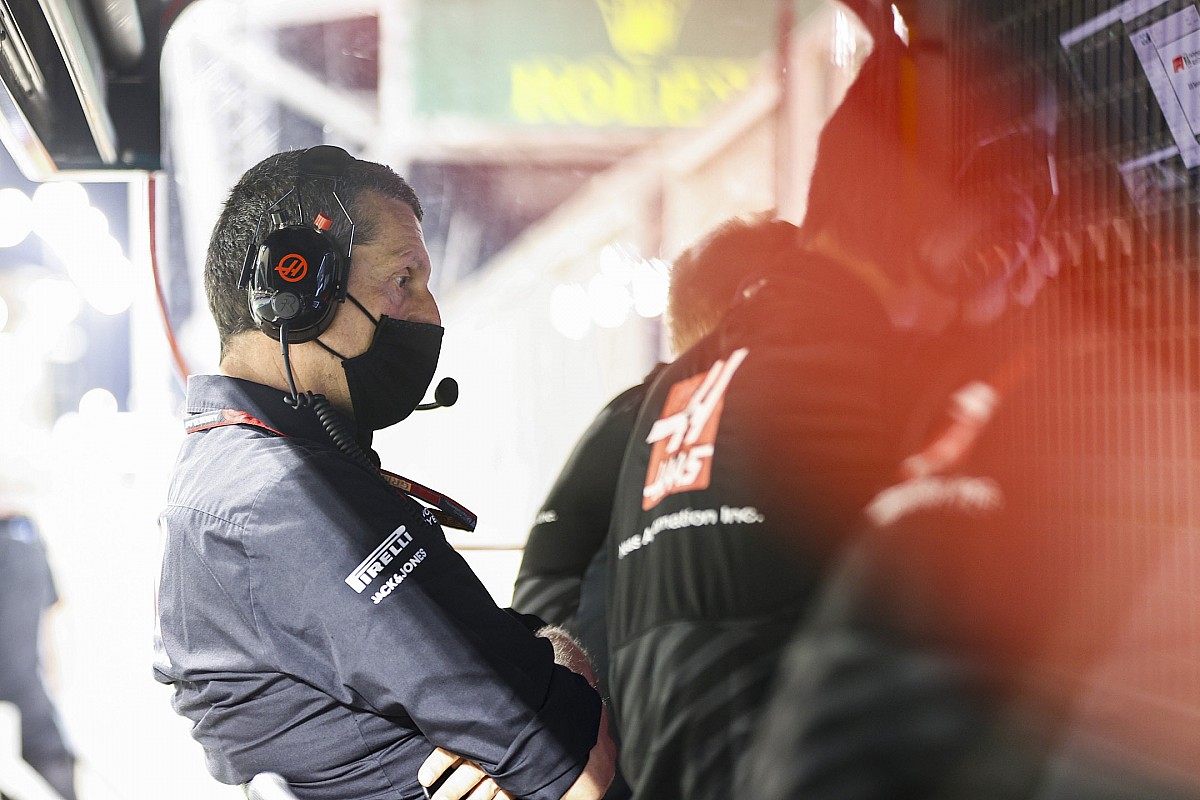
Every Formula 1 team faces the same difficult decision this season. How do you divide valuable aero development time between the current car and the brand new 2022 project? This transition will inevitably come sooner rather than later for all teams. Haas has already made the call, and it’s an extreme one.
It has been focused on the new project since January and so there will be no further aero development for the 2021 car after the first test in Bahrain. Steiner also announced that the team hasn’t issued any of their assigned development tokens for this year – “You need to know why you’re using them, and not just because” – to avoid getting watered down.
It is a brave decision to sacrifice short-term aspirations, but there is logic. When the COVID-19 pandemic hit last year and most of the employees were on leave, the tap was turned off prematurely for cost reasons and Haas fell out of midfield. For the second time in a row, it was only ahead of Williams in ninth place and collected just three points – 25 fewer than in 2019.
Therefore, even if the team pours resources into the 2021 car, at best they will fight Williams to dodge the wooden spoon of the constructors’ championship. Instead of continuing to invest research and development efforts into this battle, the company wants to get off to a flying start with the new regulations in 2022 instead.
Throw two rookie drivers into the mix with Mick Schumacher and Nikita Mazepin and the team makes more sense.
Mick Schumacher, Haas F1, in the cockpit
Photo by: Andy Hone / Motorsport Images
“It’s a decision that you have to make and I think we made it,” Steiner told Autosport. “We have now stopped with this car. If during the test we find that some things are not working, we will return, but there is no goal at the moment to do upgrades or anything like that. We will focus on 2022 from now on.
“I think most people are going to do this because you think about it, if you are working on the 21-series car now, there will be a maximum of 23 races with this car. If you look at our car from last year, until it’s very difficult to get it up and running and keep up with the rest of the world.
“When we saw last year that we hadn’t developed much because the pandemic completely switched everything off at a certain point in time, we thought that if we wanted to change drivers, we should do it now,” said Gunther Steiner
“You would go out of your way and neglect the future, where hopefully there will be hundreds of races to these regulations or close to them – there will be changes to the regulations. It’s a pretty obvious way to prioritize your ’22 and we will. “
Steiner accepts that the team’s approach carries the risk of finishing last and losing prize money as a result. But he says it’s one that the team “has to live with”.
“We need to see that the big picture is in the medium to long term, not the short term,” he continues. “If we only see for a short time, then in ’22 it will be: ‘Why didn’t we make the ’22 car? Because we can’t catch up now.’ It’s very difficult to meet the aero constraints and budget cap, so you put as much into the front end as you can. “
One area that Haas will support in 2020 due to its disappointing performance is the new staggering of the aero test restrictions introduced for 2021. This year the company has more wind tunnel hours and CFD usage capacity than anyone but Williams, and all of this should focus on the new project creating some momentum towards 2022 – even if Steiner is quickly downplaying the profits he can have .
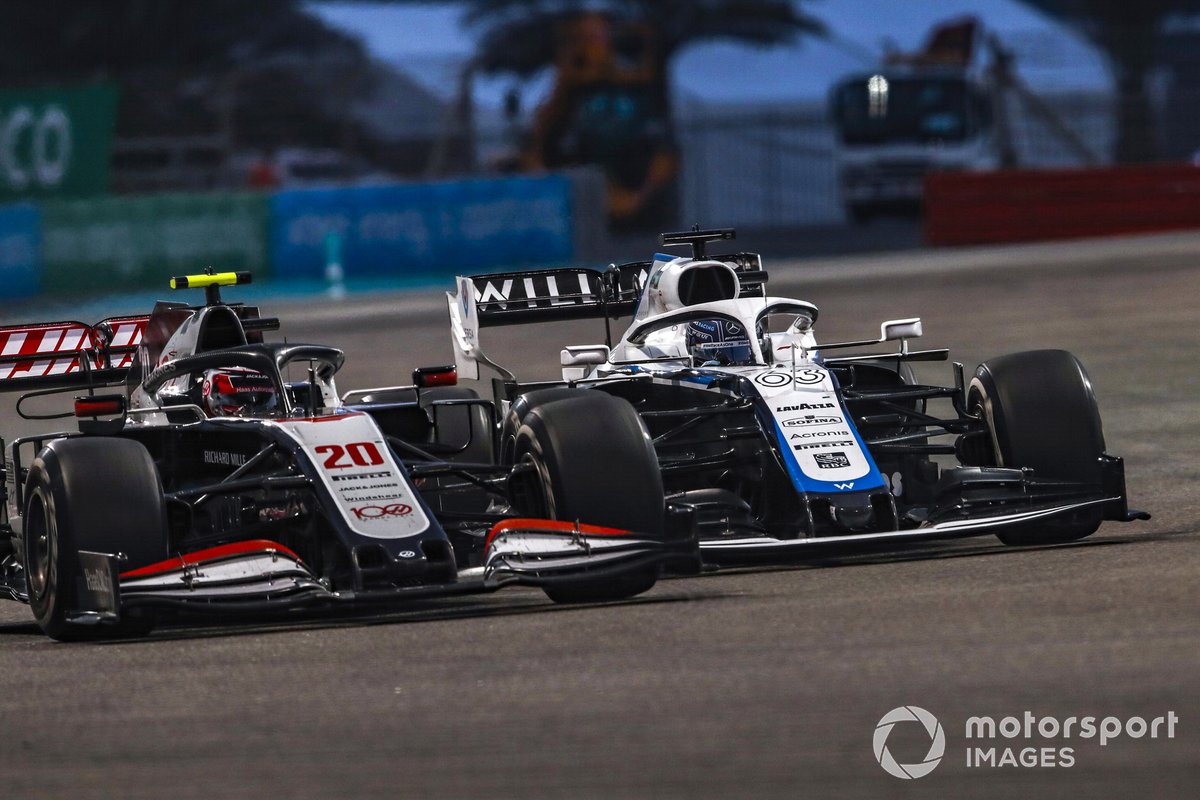
Kevin Magnussen, Haas VF-20, fights with George Russell, Williams FW43
Photo by: Zak Mauger / Motorsport Images
“Compared to the big teams or the front runners, we have about 20% more than them,” says Steiner. “We will try to make use of it.
“But we’re rebuilding and they have processes and things like that that they’re better at. I don’t think that’s a big advantage. It’s less of a disadvantage because we can do a little more.”
“I think it will take a bit of time to make it more even, it won’t be right away. But it’s a very good step in the right direction, it’s also a very big step. “
Key to Haas’ longer-term strategy is the team’s decision to take on F2 alumni Schumacher and Mazepin, with Romain Grosjean and Kevin Magnussen walking to the exit door. This has always been a learning season for both newbies, each of whom was instrumental in starting multi-year programs, and therefore their results in 2021 will neither make nor break their careers.
Steiner said the timing of their promotions made sense as Grosjean and Magnussen would hardly have benefited from another year of treading water.
“When we saw last year that we didn’t develop much because the pandemic completely shut everything down at one point, we thought if we wanted to change drivers we should do it now,” Steiner told opportunity.
“When you put it together it was, ‘We’re going to be compromised next year. We may need to make a change to the drivers, so let’s do it now and don’t move on. Let’s jump into a cold swimming pool all at once. ‘”
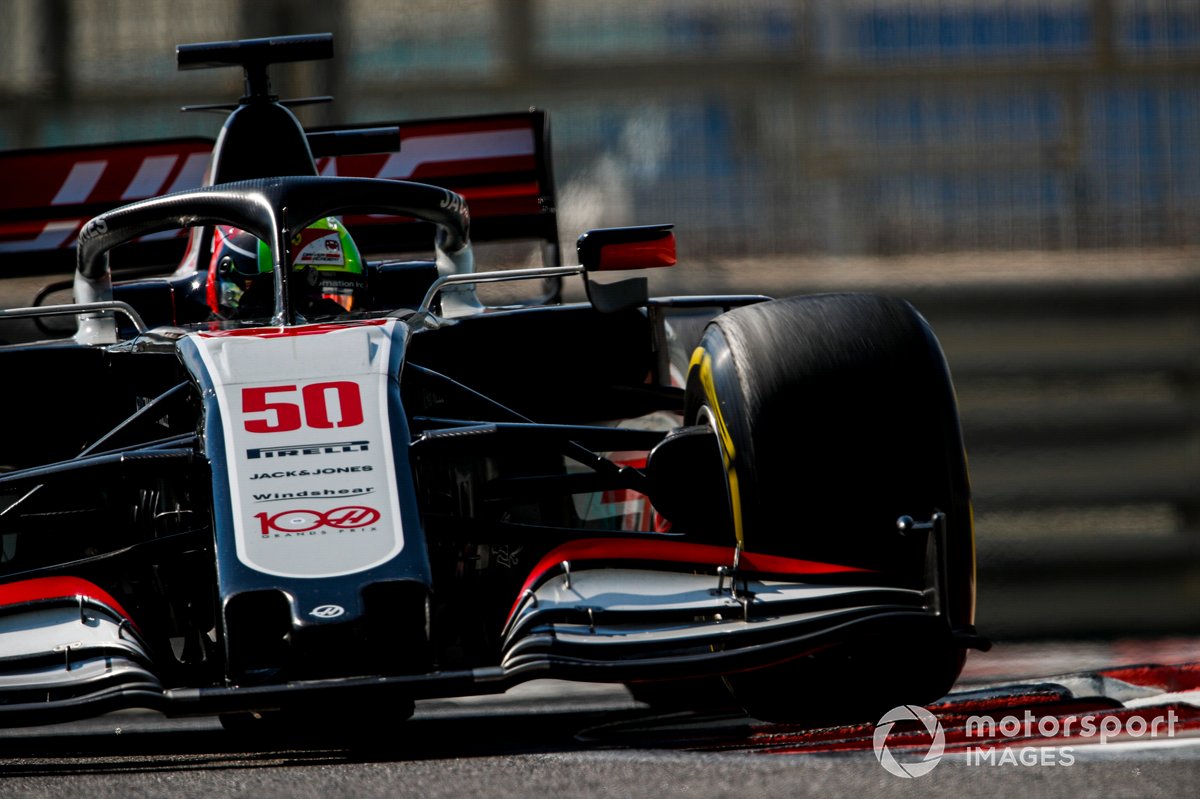
Mick Schumacher, Haas VF-20
Photo by: Zak Mauger / Motorsport Images
Steiner has no illusions that 2021 “will be a pretty challenging season in the future” and says the team has “prepared for it”. When asked about the team’s realistic goal for 2021, given the R&D compromises and two rookie drivers, Steiner has a simple answer.
“Limit the damage, try to do the best,” he says. “It would be a success for me to prepare two drivers for the future by the end of the year. This is going to be a success we are learning so we have no more problems in ’22 where we say these are rookie drivers and they have yet to learn.
“You study for a year and I think this is a good opportunity because the pressure won’t be as high as with a good car. So I think our ambitions are realistic.
“We just want to do the best we can. Hopefully we can get a few points every now and then. But it will be difficult – and we are prepared for it. “
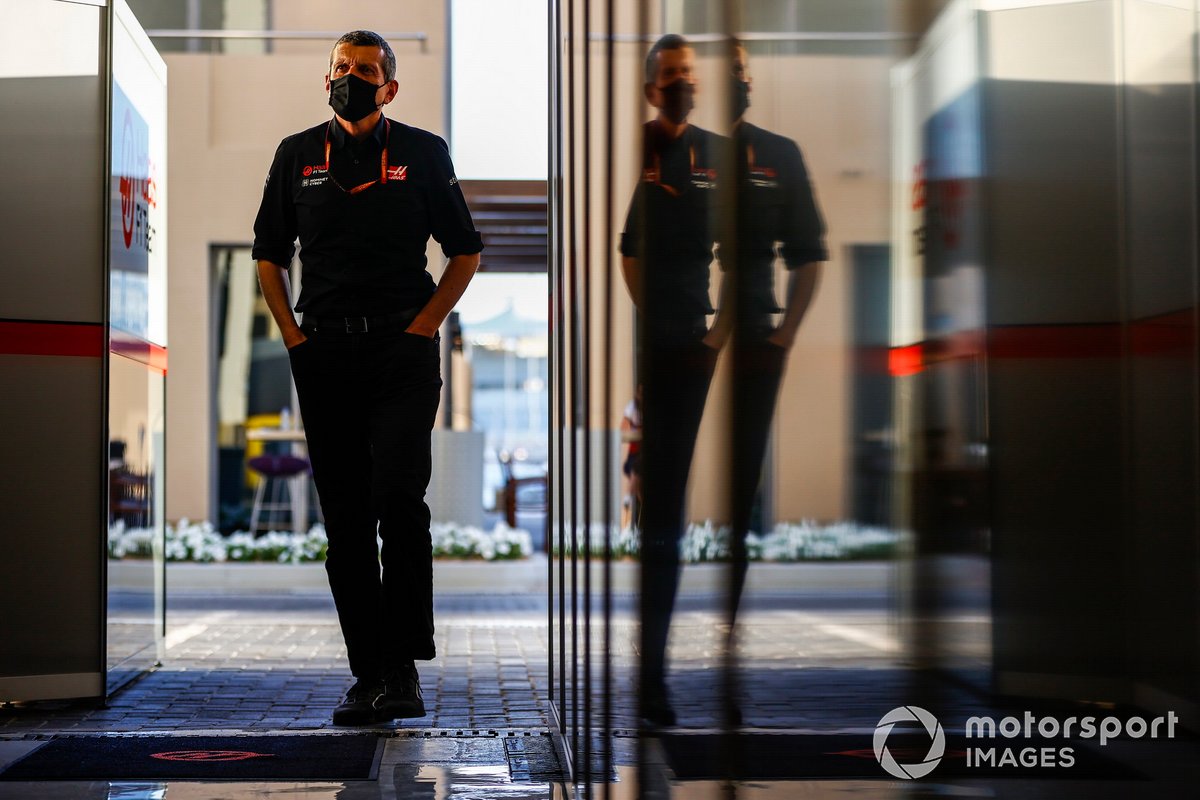
Günther Steiner, Team Principal, Haas F1
Photo by: Andy Hone / Motorsport Images
Similar video
The post Why Haas is ready to sacrifice its 2021 F1 season first appeared on monter-une-startup.





