
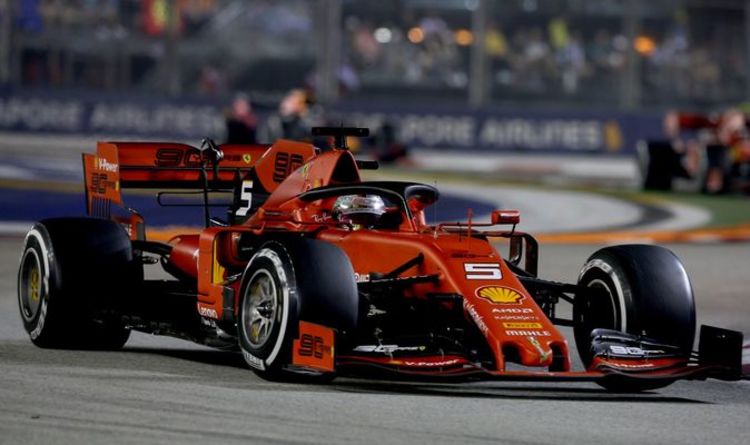
The Singapore Grand Prix will form part of the F1 calendar for at least seven more years after striking a new deal with the FIA. The iconic night race, which debuted at the Marina Bay Street Circuit in 2008, hasn’t featured in the past two seasons due to the impact of Covid-19.
A statement announcing the new contract said that “all parties will work closely together with relevant government agencies and industry stakeholders to refine and implement appropriate protocols to prioritize the health and safety of all participants, staff, fans and the community”.
The statement also referenced F1’s ambition to become a net-zero carbon sport by 2030, adding officials would be working with the country’s tourism board “to reduce the carbon footprint of the Singapore race as part of a transition to more sustainable business models and to be in line with the sustainability goals.”
F1 president Stefano Domenicali added: “Singapore holds a special place on the F1 calendar, and this extension is part of our long-term commitment to continue to grow the sport in Asia.”
While the news is likely to be welcomed by fans, it’s unlikely to overly please current world champion Max Verstappen, who has endured a torrid time in Singapore since his first race at the circuit in 2015.
JUST IN: Mick Schumacher opens up on private chats with Lewis Hamilton and his Ferrari dream
Hamilton, whose participation in the 2022 campaign remains in doubt as he awaits the outcome of an FIA investigation, has triumphed there four times.
Inaugural race winner Fernando Alonso has won twice, with Nico Rosberg’s sole success at the street circuit coming in 2016, en route to him becoming world champion.
The event has never been short of drama either, with Alonso’s first win later becoming clouded by controversy, when it emerged a year later that his Renault team-mate Nelson Piquet had been ordered to deliberately crash by team management to bring out the safety car at a time that benefitted the Spaniard.
In fact, all of the 12 races have seen an FIA vehicle involved, with a grand total of 21 safety car deployments.





