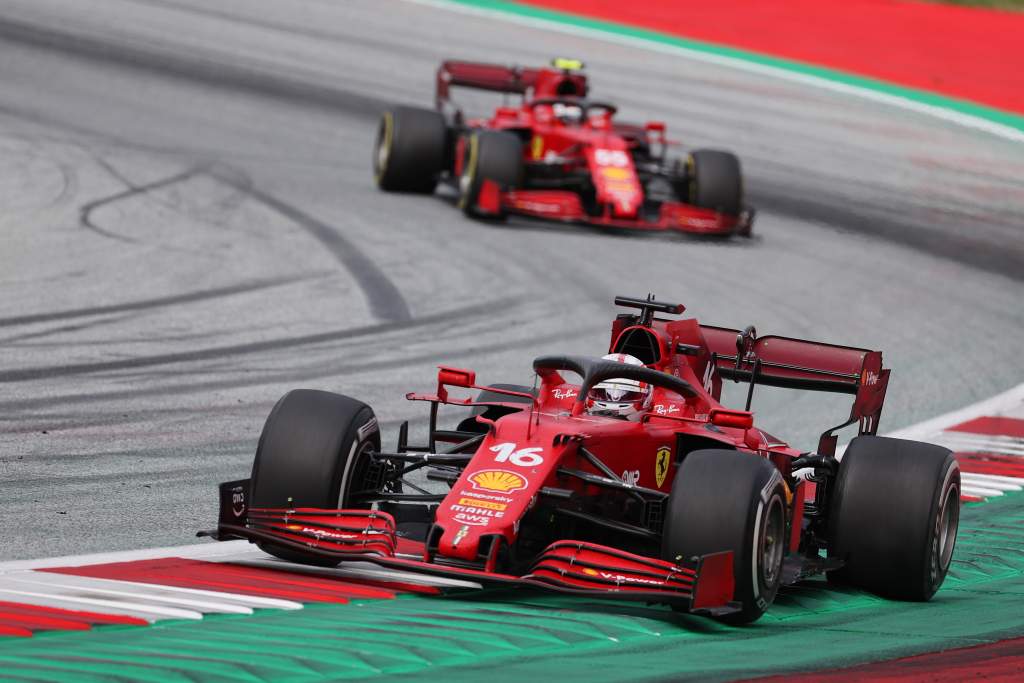
How long is the road until Ferrari is a World Cup contender? We may not know, but 2021 was a very positive step after the 2020 disaster.
Third place in the constructors’ championship, a halving of the performance deficit up front, five podium places and two pole positions made for a respectable season for the Scuderia in the second year of the upswing.
But as team boss Mattia Binotto admits, much more is expected from one of the giants of the sport.
There was plenty of scope for recovery in 2021, considering how mediocre the 2020 car was, with its serious lack of power and compromised aerodynamics.
The SF21 was a very effective update, with the legal restriction of having to keep the same chassis. A redesign of the combustion chambers halved the previous performance deficit, also compared to the likewise improved Mercedes and Honda units. It was still fourth out of four providers, just behind Renault. But according to the team’s assessment, only about 0.35 s of the average lag of 0.6 s in qualifying could be traced back to the engine package.
An upgrade of the hybrid system from Sochi and Istanbul (for Charles Leclerc and Carlos Sainz, respectively) brought only a slight increase in peak performance, but enabled longer use of the existing material, making the cars much less prone to overtaking maneuvers in the race.
The limitation of the 2020 chassis was at both ends – with the unfashionable wide nose in front and a lack of rear downforce. The token system meant only one of these could be changed, and Ferrari chose the rear with a Mercedes-like curved rear of the rear suspension to create more airflow volume around the diffuser. This required a new gearbox and that is where the tokens were issued.
The new gearbox also allowed for higher displacement of the differential, creating even more airflow space in this aerodynamically rewarding area, albeit at the expense of a higher center of gravity.
As with Red Bull, the reversal of the lower wishbone to the rear was achieved by converting existing suspension bearings on the chassis. As with Alpine but less, Ferrari put more radiator area in the top of the engine cover and less in the side pods, allowing for a narrower, airflow-enhancing bottle of coke.
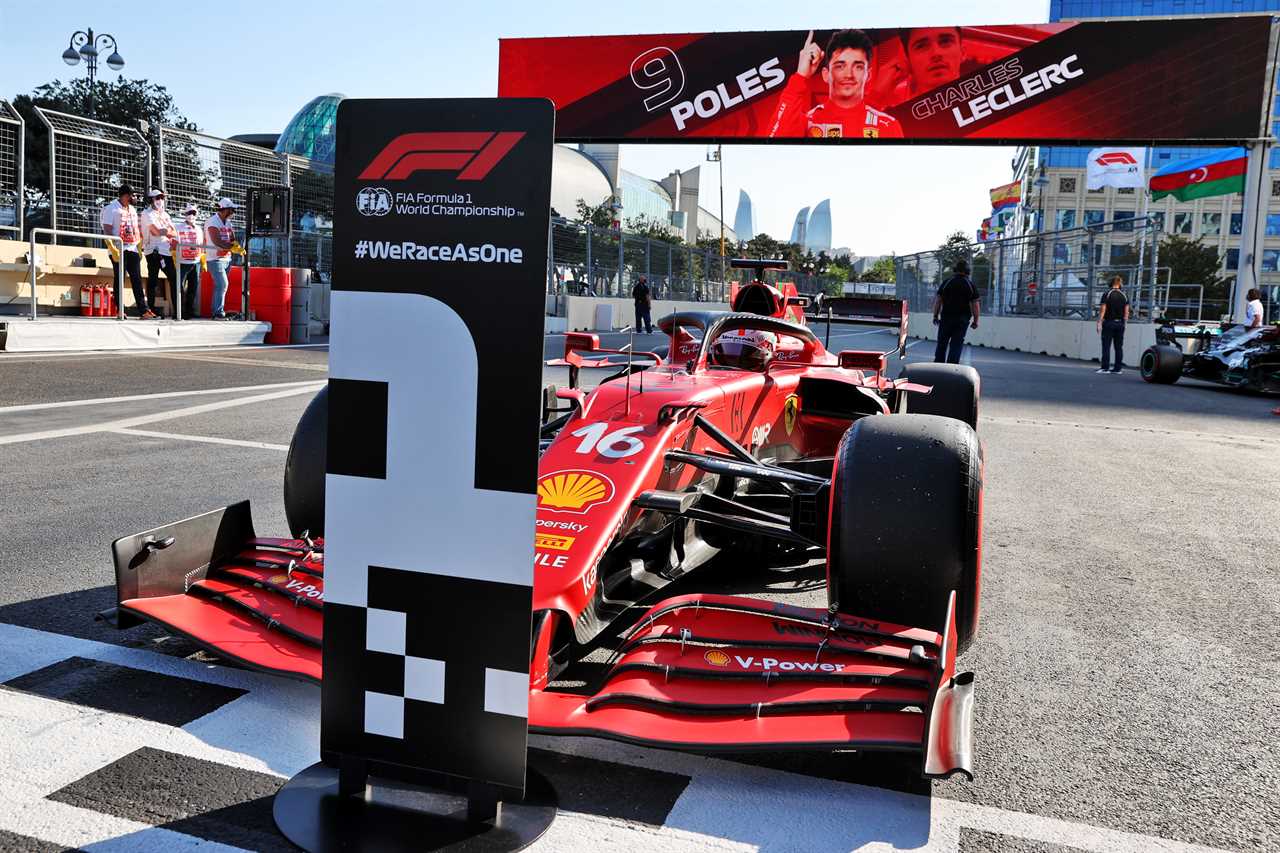
It was a much more effective car aerodynamically than its predecessor and was particularly good at slow corners as it achieved very effective early rotation without disturbing the rear. This played a huge role in the consecutive pole positions that Leclerc achieved in Monaco and Baku.
It tended to lose to its closest rival, McLaren, in the high-speed sections. The last significant upgrades were made to the car at Silverstone when the facilities were switched to the 2022 car.
Race Director Laurent Mekies believes that limiting the areas that could be developed gave the team time to focus on other aspects, with a very productive effect: “The big push for us was our tools, our correlation skills, our methods and simulations because those things weren’t restricted by the regulations. Part of the performance came from there. “
The simulation from the factory to the track was much better this year – and it had to be. Much effort has gone into understanding this 2020 weakness. In this regard, an entirely new, state-of-the-art simulator was used, but only as a “shadow” of the existing one, allowing the fine-tuning of the correlation required for these powerful tools to function properly. It was a huge investment that had to be made before the cost caps fully went into effect.
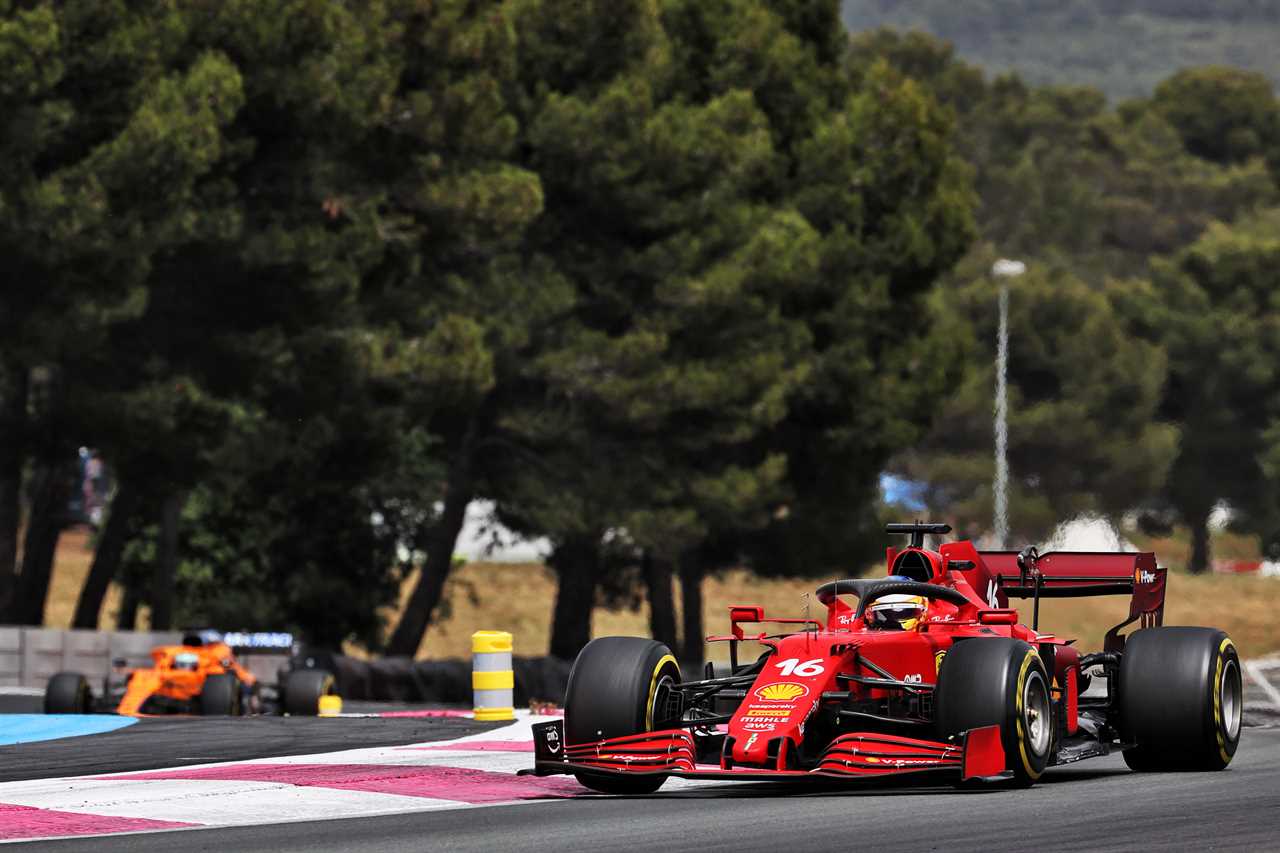
At the French Grand Prix, a major weakness of the car came to the fore for the first time – excessive wear on the front tires. Both drivers broke out of the points quite well after qualifying. It launched a major internal investigation into the problem.
“We have intensified our efforts to get to the bottom of this,” says Mekies, “in order to at least be able to model and anticipate it better. It’s not a five-minute job and it goes into the simulation / simulators / correlations loop. We are better positioned now, but still not happy. “
Ricard remained the only weekend that this trait seriously affected racing performance.
If you divide the season into thirds and look at the average qualifying performance in each of them, you get performance deficits of 100.6%, 101.1% and 100.9%, which is the story of the great development gains at the top of Red Bull and Mercedes tell up to the second third – and how Ferrari regained some of it with its engine upgrade in the last third.
Binotto puts the season in the context of the improvement he seeks for 2022.
“It will be important for us to continue growing next year,” he added. “And it’s about further reducing the gap to the competition. The new regulations are a clear opportunity. The hope is to be competitive – that is, to be able to win races. Would that mean we can fight for a championship? When I look today, the gap is still big. But as Ferrari it’s part of our DNA.
“The important thing is to be able to fight for pole and victory in at least a few races. That is the simple consequence of continued growth and improvement. I would be disappointed if we hadn’t improved.
“At the start of next year, maybe at the start of the season, there will be a difference in competitiveness between cars due to the way each team has interpreted the rules and solutions you bring. It is important that we as Ferrari are able to understand weaknesses and react to them very quickly. The team’s reaction will be crucial. “