
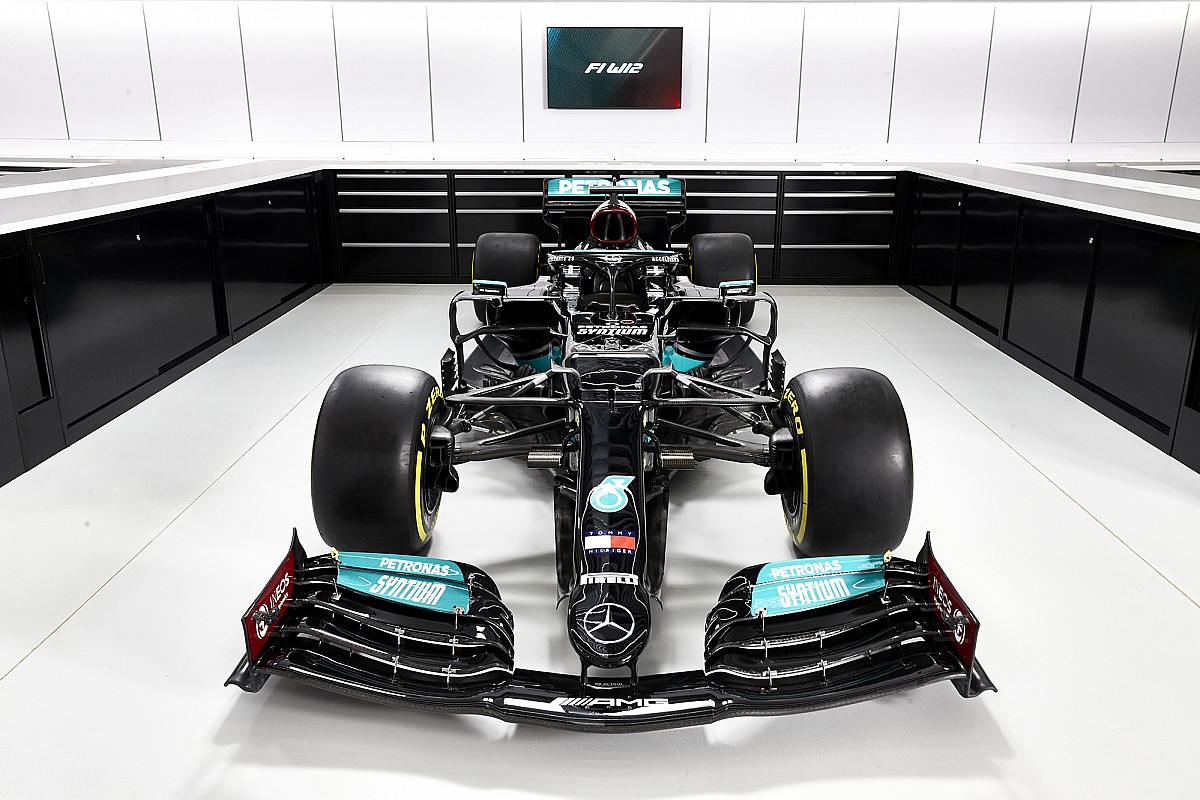
In addition to sustainability, one of the main goals of the Formula 1 budget ceiling is to curb the performance of the top teams by creating a level playing field.
And yet Mercedes boss Toto Wolff does not see the cap as a hurdle for the Brackley team in typical full glass fashion, but as an opportunity to become even stronger.
Formula 1 has long been about purchasing power. It is no accident that the dominating teams had the largest budgets, and until now there was no official limit to what they were allowed to bring in.
The FIA 2021 financial regulations, with a budget cap of $ 145 million, changed all of that. Many areas are exempt from this number, but it still marks a big change in approach for Mercedes, Red Bull and Ferrari.
All three were busy shuffling people into non-F1 projects, which explains why Ferrari has embraced a sports car program and why Mercedes was busy finding clients for its applied science department.
Given that extra money is beneficial in all areas, it is obvious that reducing spending has an impact on competitiveness. However, there is another important result – the disruption from the necessary reorganization and downsizing.
Mercedes pit stop training with the car of Valtteri Bottas, Mercedes F1 W11
Photo by: Steve Etherington / Motorsport Images
Former midfielders hope they can benefit from problems facing the spending teams in F1. In its current form, Aston Martin has made it a virtue to be lean, mean, and efficient, and the budget cap was spot on so the team didn’t have to dramatically adjust the way they work. It’s similar with Alpine.
“It’s about making the car faster, but also about efficiency,” says Alpine managing director Marcin Budkowski. “We work a lot on the efficiency of the team, work better and work smarter with the resources we have.
“Fortunately, we were never the best financed team. We have always been known as an efficient team and are probably better positioned than the top teams when it comes to the cost cap, so of course we want to take advantage of this in the future. “
The regulations show how detailed the discussions grew towards the end – topics such as the distribution of maternity leave, sick pay and the salaries of mechanics whose main task is the preparation of classic cars or demo vehicles are mentioned. The teams now have to grapple with every pound, euro or dollar they spend that falls below the cap.
The process of getting back to basics, tracking and justifying all expenses in every department of a company from the ground up, is known as zero-based budgeting.
“My experience in my personal business life was that sometimes a zero-budget approach shows you how much you actually have on the table,” says Wolff.
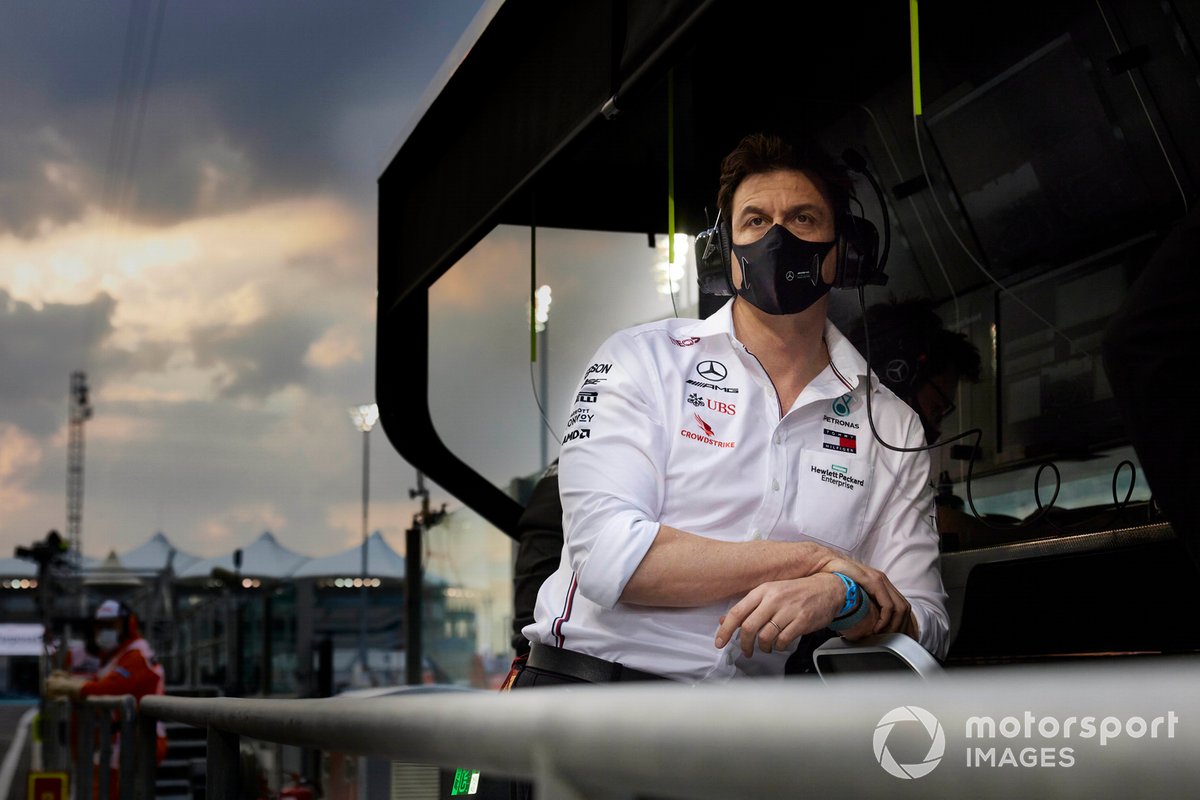
Toto Wolff, Executive Director (Business), Mercedes AMG
Photo by: Steve Etherington / Motorsport Images
“And how much you transferred from year to year, that was the cost of what could have been avoided by simply streamlining the processes and the entire organization.
“Performance in the F1 world doesn’t just depend on money. You can have the most money but not doing the job you should. And we’ve seen examples of this in the past. “
One of the main benefits of purchasing power is research and development and the ability to involve groups of people on specific projects that may not pay off for a year or two.
Flight test restrictions have already partially leveled the playing field by preventing teams from running around the clock in more than one wind tunnel, as was the case a few years ago.
However, the wealthier teams were able to put more body iterations on the track more often because they had the production resources. On the mechanical side, there were no restrictions so that the large teams can pursue innovations.
Now all teams need the discipline to spend where they think they count – they can no longer afford to pursue multiple solutions to the same problem and eventually ditch those that don’t work. You need to be smarter and make decisions before investing too much time and effort.
“We have never wasted [resources]“, Says Wolff. “Because for us, prioritization has always been the key to our functioning, instead of trying to do A or A and B. We have always approached with A and / or B because you simply place more value on what you think will bring you more performance.
“But the cost cap took this to a new level as we were not previously operating within a regulatory cost constraint. And that means you need to understand your processes.
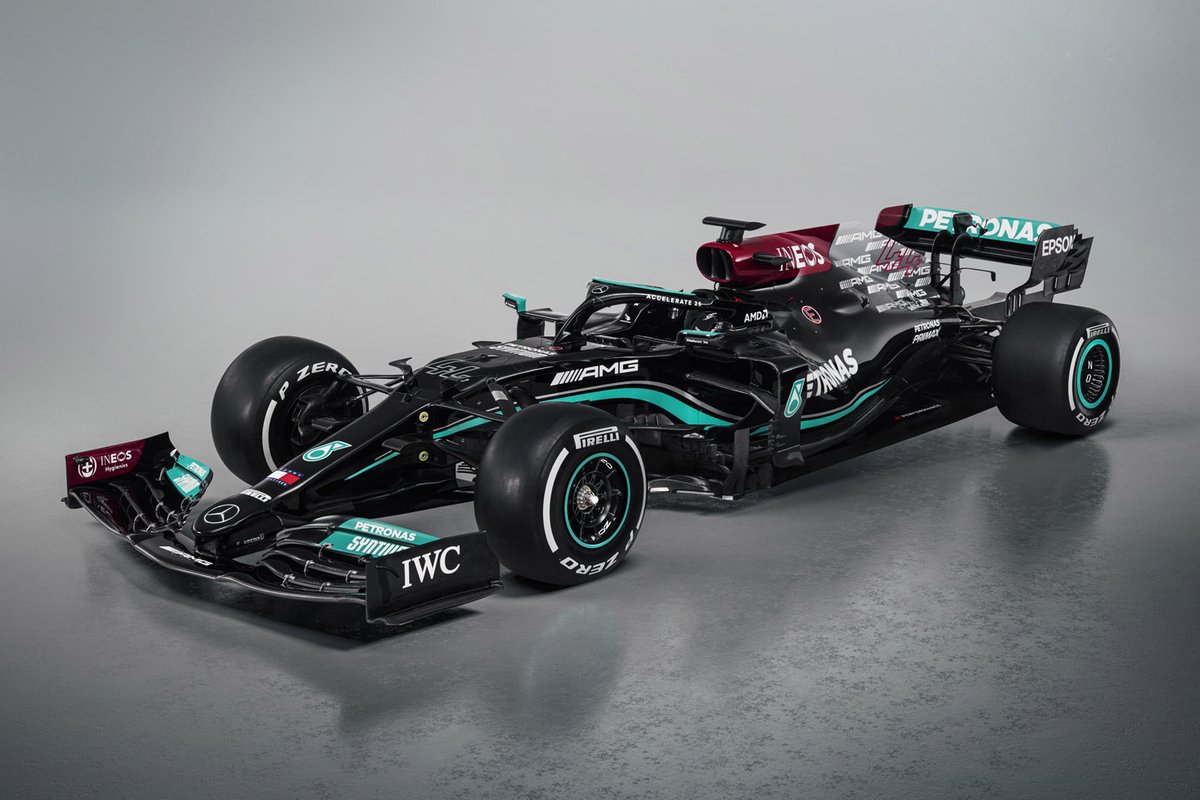
Mercedes AMG F1 W12
Photo by: Mercedes-Benz
“Every single article is calculated or evaluated [as to] what the cost is. And you have to adapt the way you work. But we believe this is a performance benefit because it has forced us to rethink what we are doing and how we are doing it.
“And it means putting even more weight and focus on the areas that we think are performing the best.”
Crucial to all of this is that the budget cap landed in the exact year teams race and develop their 2021 cars while developing brand new concepts for 2022.
Until December 31, they could work on both sides, at least on the mechanical side, without financial restrictions, as aeronautical research was banned until January 1. That gave the bigger teams a head start in 2022 simply because they had more people available to look long-term.
That window of opportunity has closed and teams now need to split valuable resources between this season’s race and development for 2022, just as they need to make a request to split wind tunnel time and CFD usage.
“It is important to find solutions to this question every year,” says Wolff. “How do you balance the current car and the development time you want to give it compared to next year’s car?
“And for 2022 it will become an even more critical issue due to the scale of the changes. And there will be teams that will focus very much on 2022 early on, and other teams that see great opportunities for the 2021 World Cup.
“And it will be crucial for us to take the right look at how we want to balance developments for the next year. It is discussed every week. “
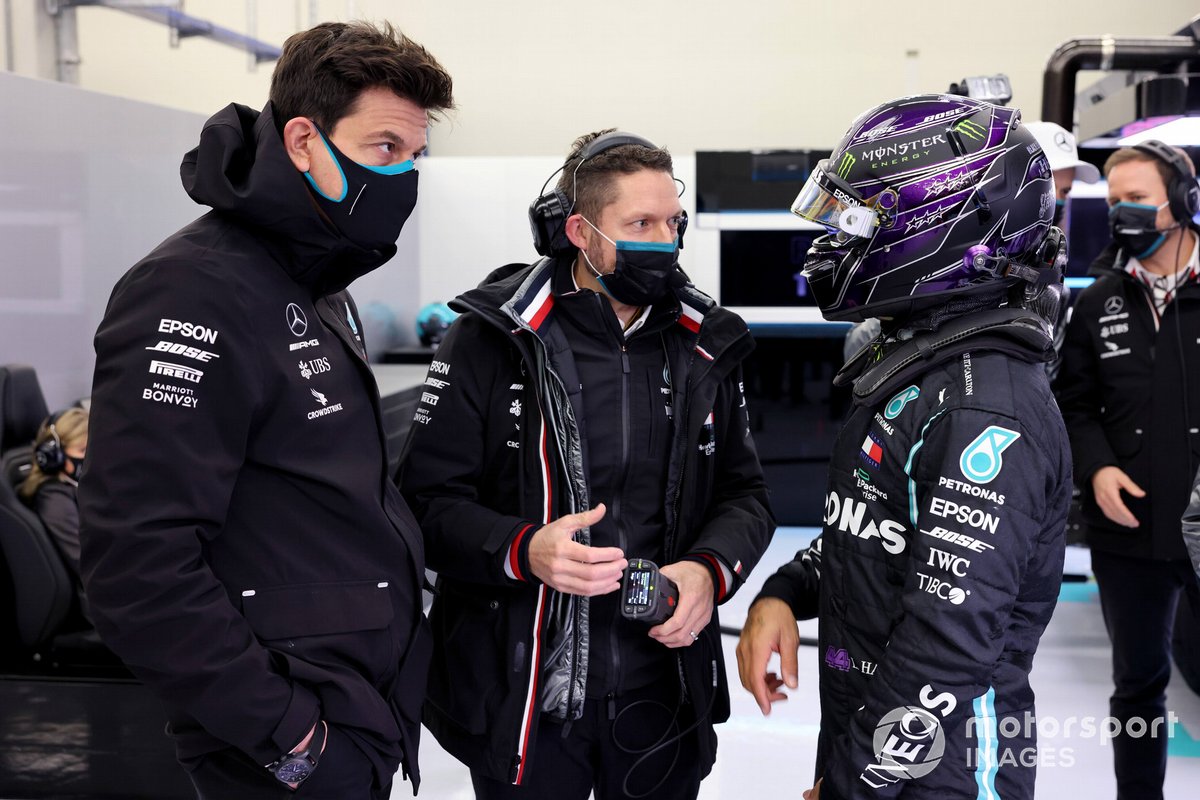
Toto Wolff, Executive Director (Business), Mercedes AMG, and Lewis Hamilton, Mercedes-AMG F1
Photo by: Steve Etherington / Motorsport Images
A spending cap isn’t just about research and development – it affects all areas of racing. Mercedes technical director James Allison revealed at the launch of the W12 that the team is saving costs by simply reducing the number of parts to be produced.
“[There are] Developments to try and make it so that the parts underneath live longer, ”he said. “So that we don’t have to replace them so often so that we can work more efficiently with a budget cap.”
With the ongoing double projects, 2021 is clearly a difficult season for the top teams. However, you also need to expect a lowering of the $ 145 million budget ceiling.
Can the usual front runners adapt to the new world of limited spend and stay one step ahead of the rest? Wolff is confident that at least his team is on the right track.
“The budget cap is extremely important in my opinion,” he says. “Because the costs escalated in the last 10-15 years and it was no longer affordable.
“And we are now working within the same financial framework. And it will be exciting because there won’t be many differences between the teams when it comes to expenses.
“We love the challenge. We took it upon ourselves and it is sometimes very painful because in the end all of your processes have to be adjusted in order to be more efficient.
“During the process, we realized that efficiency actually means performance. The group that worked on the project did a fantastic job. And I believe we are in a good position to get the most out of the limited resources available. “
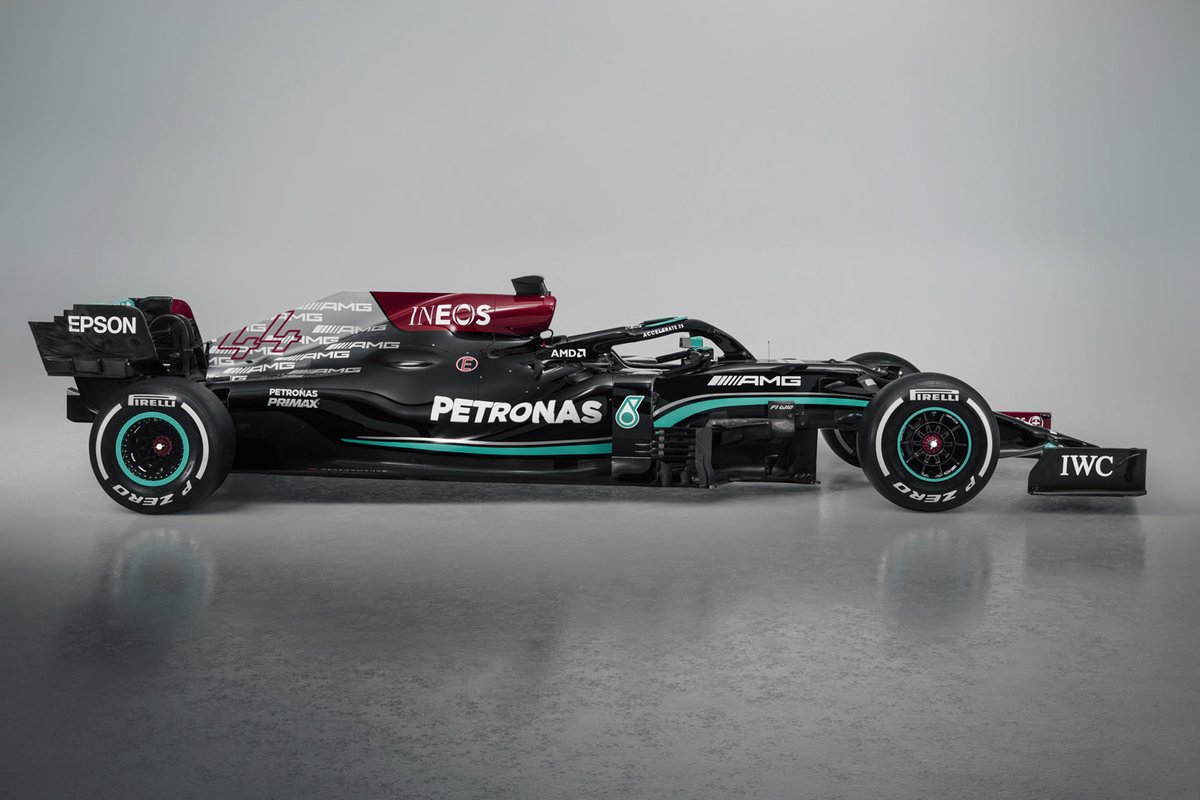
Mercedes AMG F1 W12
Photo by: Mercedes-Benz
The post How Mercedes could actually benefit from the Formula 1 budget cap first appeared on monter-une-startup.




