
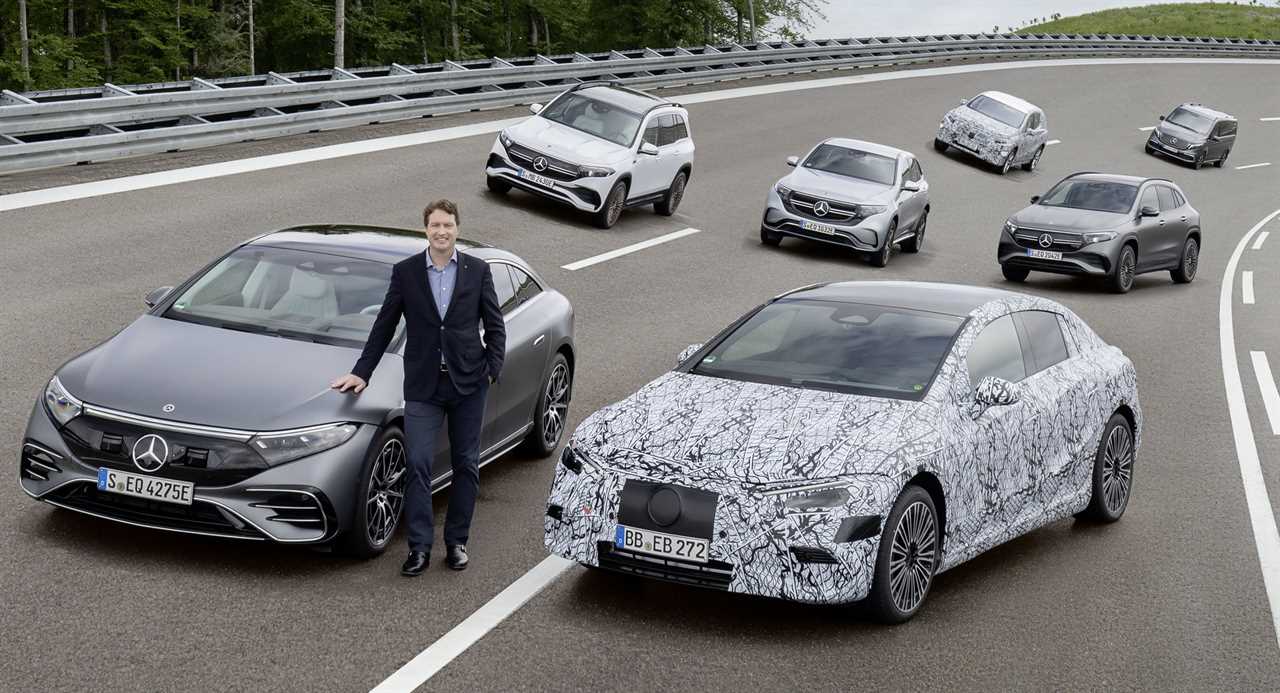
Mercedes released its future plan today, and the brand plans to go fully electric in any markets that allow it in the near future.
This means that three new all-EV architectures will be unveiled in 2025, which will enable the brand to offer a pure electric version of every new vehicle in its product range.
“Electromobility is picking up speed – especially in the luxury segment, where Mercedes-Benz belongs,” says Ola Källenius, Chairman of the Board of Management of Daimler AG and Mercedes-Benz AG. “The tipping point is approaching and we will be ready when markets switch to all-electric vehicles by the end of this decade.”
Also read: Mercedes teases the Vision EQXX before the unveiling
The company will provide a total of 40 billion euros ($ 47.2 billion) for investments in research and development of electric vehicles between 2022 and 2030. Mercedes expects this investment to drive the turning point for the adoption of electric vehicles.
The first platform, MB.EA, is designed for Mercedes cars and will cover all medium to large cars, the company says. Scalable and modular, it will form the backbone of the company’s future EV portfolio.
The second platform is likely to pique the ears of the enthusiast in the crowd. The AMG.EA platform is dedicated to performance electric vehicles and, as the name suggests, is aimed at Mercedes-AMG customers.
Finally, you may also be able to guess what the VAN.EA platform is for by its name. Mercedes is intended for vans and light commercial vehicles and is expected to help make cities cleaner in the near future.
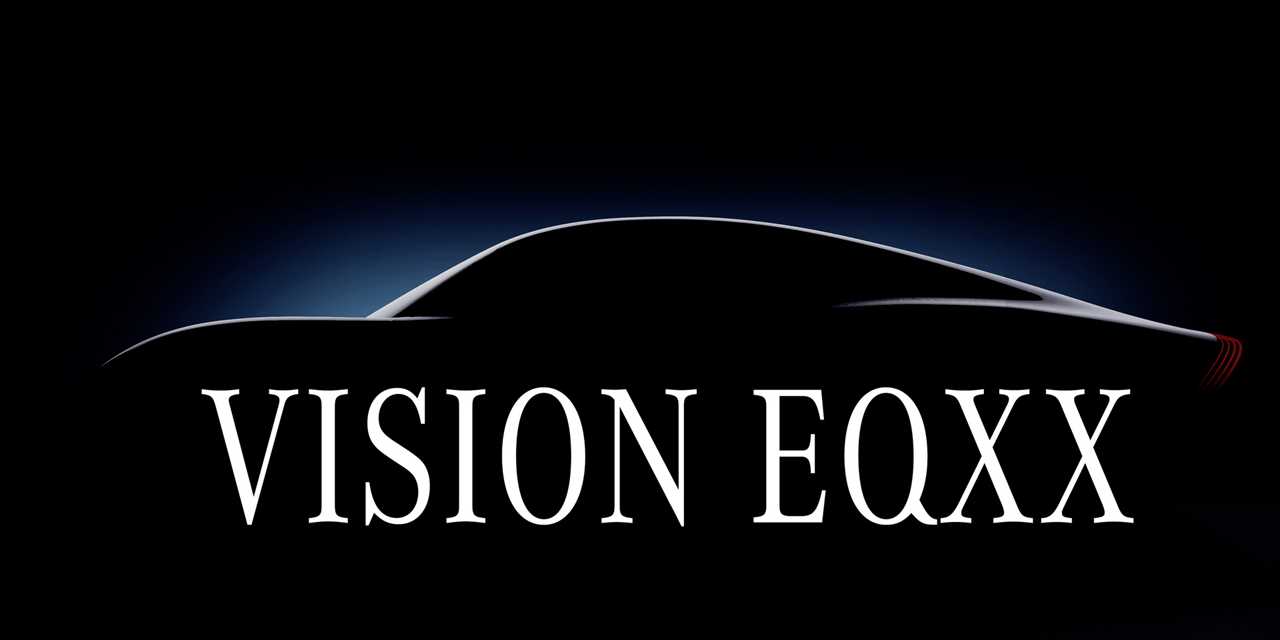
Mercedes is already planning to build an electric vehicle with a real range of 1,000 km (621 miles) and is aiming for a single-digit kWh efficiency value per 100 km. As a reference, the Tesla Model 3 receives a rating of 14.9 kWh per 100 km. The team working on this project includes experts from the Performance Powertrain Division of Mercedes F1.
To achieve all of these EV goals, Mercedes predicts that more than 200 gigawatt hours of batteries will be required. Together with its partners, it will therefore set up eight gigafactories worldwide in addition to the nine plants it has so far dedicated to battery production.
The company says it is already working with partners on the next generation of batteries, with R&D going on in higher energy density cells and, in the future, solid-state batteries. Thanks to the purchase of YASA, a British specialist in high-performance axial flux motors, by Mercedes, more efficient electric drives are also on the way.
And with all of this, Mercedes says it will stick to its 2020 profit plans and keep the majority of its workforce. Although some people are offered early retirement plans, the company plans to retrain the majority of its employees to ensure the transition doesn’t lead to the decimation of its workforce.
Before all of this is possible, Mercedes says it will have an electric vehicle in each of its segments by 2022.
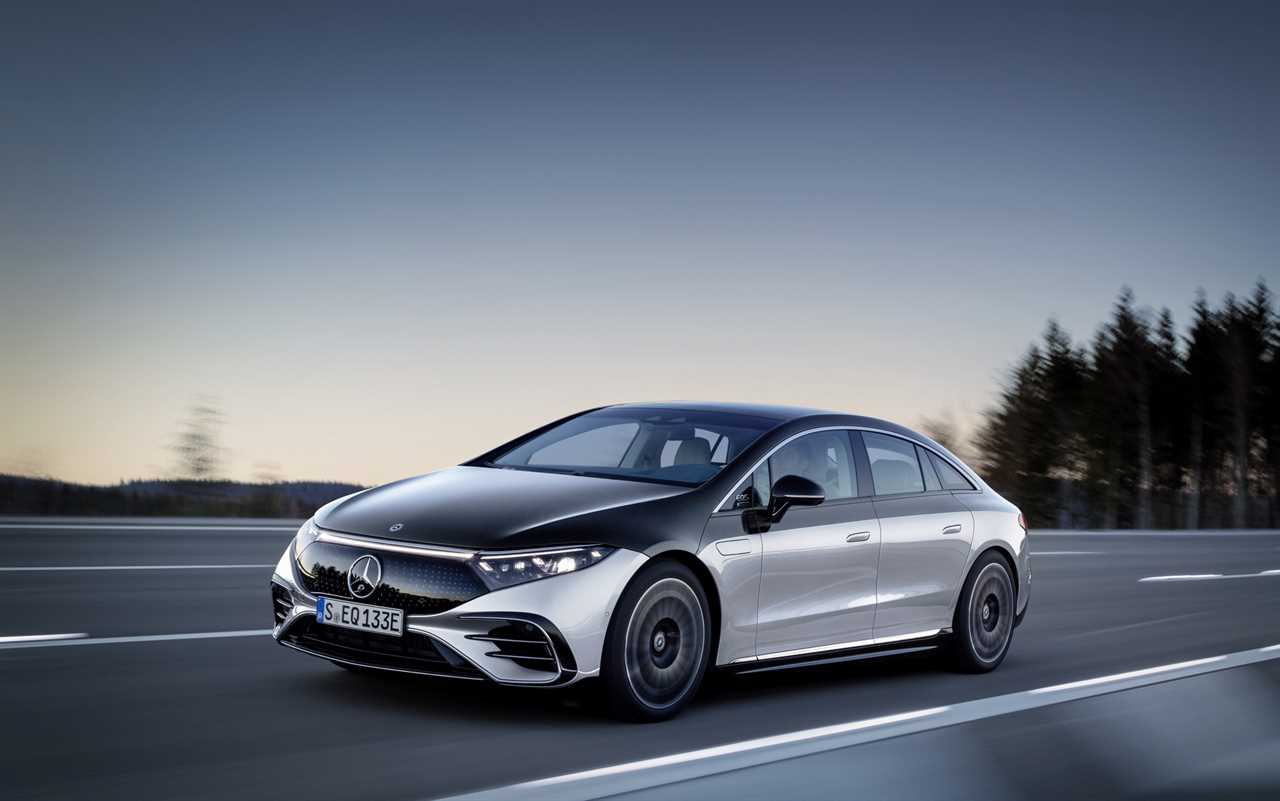
“Our main task in this transformation is to convince customers to switch with convincing products. For Mercedes-Benz, the pioneering EQS flagship is only the beginning of this new era, ”says Källenius.
Did you miss our previous article...
https://formulaone.news/mercedes/toto-wolffs-wink-indicates-that-valtteri-bottas-george-russell-made-the-decision





