

While most people think of mechanics and engineers when they think of jobs in Formula One, there are a whole host of other jobs that go on behind the scenes – including hospitality.
To find out what it takes to work in one of these coveted jobs, we spoke to Alysha Lane, Guest & Facilities Coordinator of the Haas F1 Team, to find out what qualifications you need, what skills you should have and what else you need still need to know.
What is your role
As the Guest & Facilities Coordinator, I work in three operational functions within the team. Guest management from route partners, team and driver kit management and support for the facilities.
What are your tasks and main tasks?
In my role as Trackside Partner Guest Management, I am the main contact person for all trackside ticketing and guest activation inquiries. I also create and deliver our route guest program, which includes keeping our partners up to date on events and protocols and hosting them on site.
I am responsible for the end-to-end management of team, travel and driver equipment for the staff, which is spread across three different locations in the UK, US and Italy. This includes responsibility for the life cycle of all driver equipment, laundry and racing bag packaging, as well as the point of contact between suppliers to ensure deadlines are met.
I also support the operations manager by taking responsibility for maintenance, service schedules and troubleshooting of factory equipment. This may include soliciting bids and overseeing building improvement projects, as well as renaming race bays and factories annually, tracking the maintenance budget, and monitoring contractor performance.
Mick Schumacher, Haas VF-21, Nikita Mazepin, Haas VF-21
Photo by: Charles Coates / Motorsport Images
What qualifications do you need?
I studied BSc Event Management at the University of Lincoln and it gave me a good foundation to get into the sport. If you have the opportunity to do a year of internship, take it. I did an internship at a luxury automobile manufacturer and this, along with my degree, gave me a strong position in a competitive graduate market. It was also my internship that put motorsport on my radar and helped me figure out which industry I want to work in.
What should you learn in school?
When I was in school, Formula 1 wasn’t on my radar. In fact, I used to tell my dad to turn it off on a Sunday! For me, the main focus is not on studying, but my job involves a lot of administrative effort, so good grades in subjects such as mathematics or English are an important foundation.
What other skills are useful?
Having an interest in sports and motorsport is essential, but I would be careful if I ever called myself a motorsport fan in the interview! Teams are looking for professionals, not fans, and it’s a tough industry that takes up a lot of time outside of normal office hours. Time management and organization are key. My role is so diverse that there will be times when I have many independent projects at the same time and need to be able to set priorities. I work with people from across the team so getting along well with people is important, as is a good sense of humor.
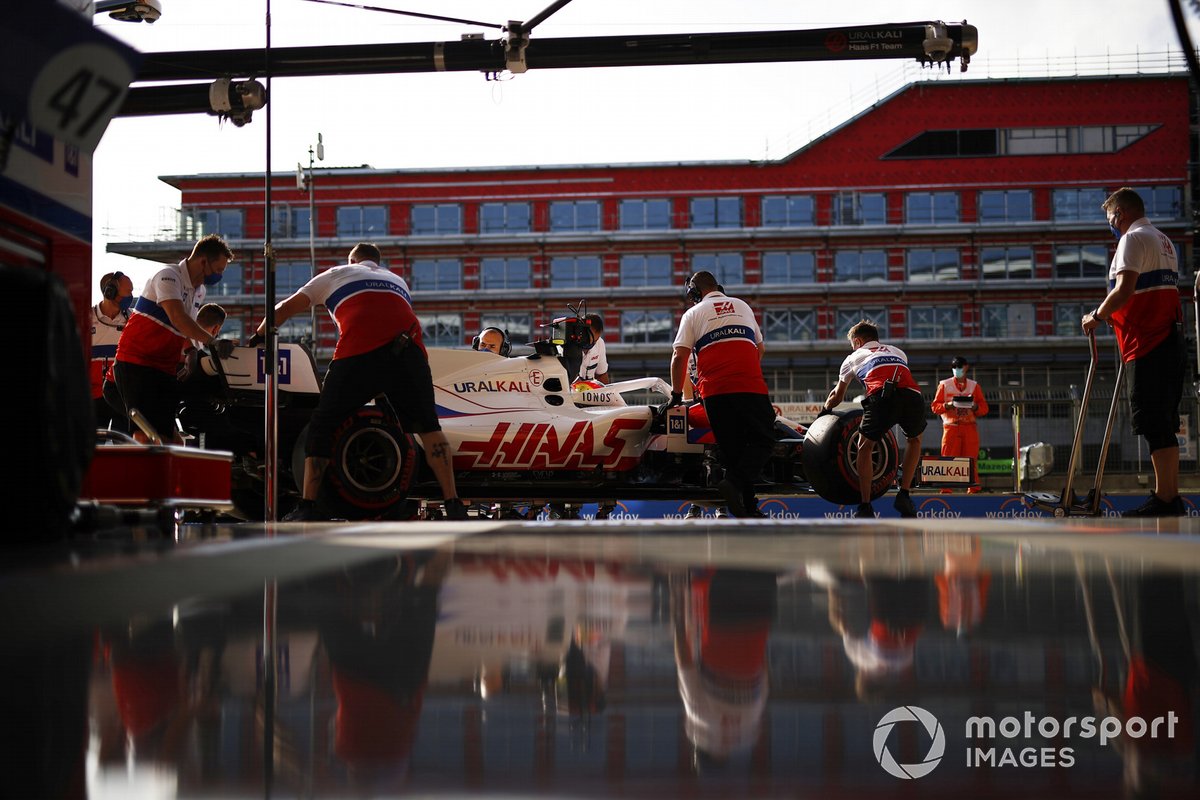
Mick Schumacher, Haas VF-21, is returned to the garage
Photo by: Andy Hone / Motorsport Images
How can I gain work experience?
Ask! Be ready to get your hands dirty and do anything. You are likely to get a lot of people who say no, but it only takes one yes and experience in each area will help. Motorsport has a lot to do with contacts. I started in the hotel industry and traveling with the Formula 1 Paddock Club, which was great fun, but I also had the experience of traveling a lot with work and having realistic expectations of how tough the industry is can be. I was fortunate enough to work in multiple teams again so I got to meet people and get my foot in the door.
Are you going to run
Usually yes, although my participation in the races has been badly affected by the pandemic.
What does a working day look like for you?
During the year, when I’m not taking part in races, it’s Monday to Friday between 8:00 a.m. and 5:00 p.m. Although the pre-season February is always a tough month, with over 14 hours of work days and weekend work to get all of the new season’s team equipment ready on time. We are fortunate to have a gym on site, so I will usually use this for lunch so I can relax completely at the end and devote myself to my other hobbies.
This article was produced in collaboration with Motorsport Jobs. Find the latest jobs in motorsport, as well as jobs with the Haas F1 Team, on the Motorsport Jobs website.
The post How to Become a Formula 1 Guest and Facility Coordinator – Qualifications, Skills, and More first appeared on monter-une-startup.





